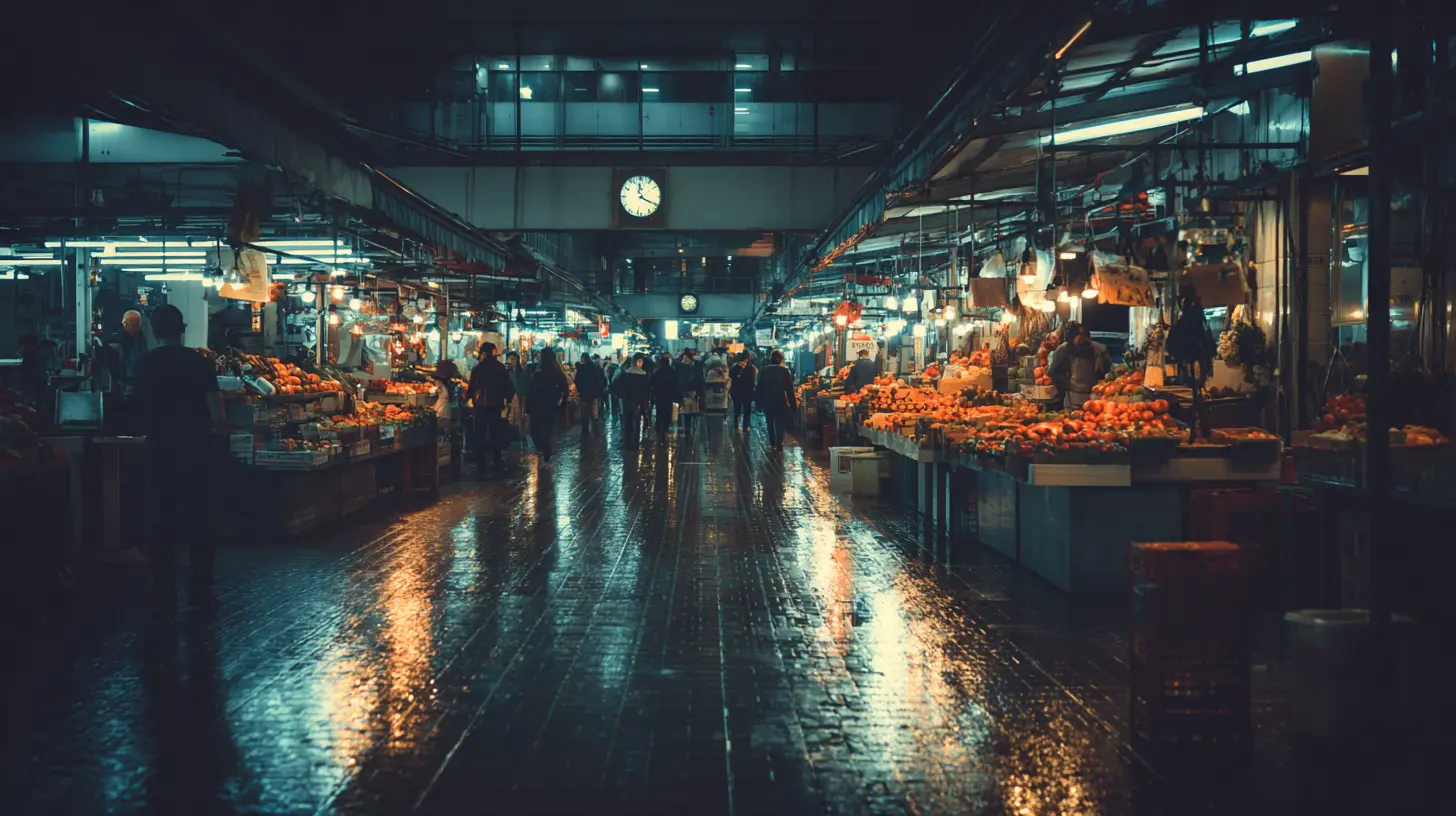
By 11:47 p.m., the weekday commuters have already scattered and the Green Line’s West Exchange station feels hollow—until a battery of portable lamps flicks on inside the tiled concourse. The scent of pandan steam rice, toasted sesame, and neon-lit vinyl dust drifts toward the turnstiles as the Midnight Metro Market unlocks folding tables and unpacks an entire storefront in five minutes flat.
Transit officials piloted the market as a soft crime-prevention effort, inviting nearby entrepreneurs to turn the empty hall into a supervised space. Instead, it detonated into a civic ritual. Designers from the garment district hawk micro-run capsule collections. A third-generation herbalist pairs jasmine tea shots with impromptu breathing lessons. Dancers rehearse in sock feet on mosaic flooring while waiting for wholesale produce to arrive from the 1:05 a.m. freight.
“It’s the only time my neighbors have bandwidth to really talk,” says Rafiah Osman, who wheels in a modular spice bar every Wednesday. “People aren’t sprinting for a shuttle—they ease into conversation, trade playlists, and leave with dinner for tomorrow.” Her menu doubles as civic survey: customers vote on future train improvements by choosing spice blends, and she drops the data in City Hall’s inbox every Friday.
The pop-up economy has also become a way to redistribute square footage. Underutilized concourses—designed to hold rush-hour crowds—offer generous ceilings, ventilation, and seating. Architects from the city’s Tactical Urbanism Lab installed plug-and-play infrastructure: clamp-on electrical strips, lockable storage for vendors, and noise baffles disguised as art panels. Rent is a flat $35 a night, which covers security, janitorial work, and small stipends for youth apprentices who handle wayfinding.
Critics worried the market would amplify late-night noise for the residential towers above. Instead, MBTA data shows a 17 percent drop in nuisance calls at participating stations. The mix of aunties, DJs, and bike couriers functions as an informal guardian network—everyone knows everyone’s first name, and the last train ride home feels safer.
City planning staff now field requests from neighborhood associations who want their own midnight slot. The proposal on the table: rotate the market through different lines so every community gets a turn, and pair the event with early-morning cleanup crews that hire block residents. It’s part nightlife revival, part micro-grant program, and entirely a reminder that even utilitarian transit halls can double as public squares when curators trust the late-night crowd.