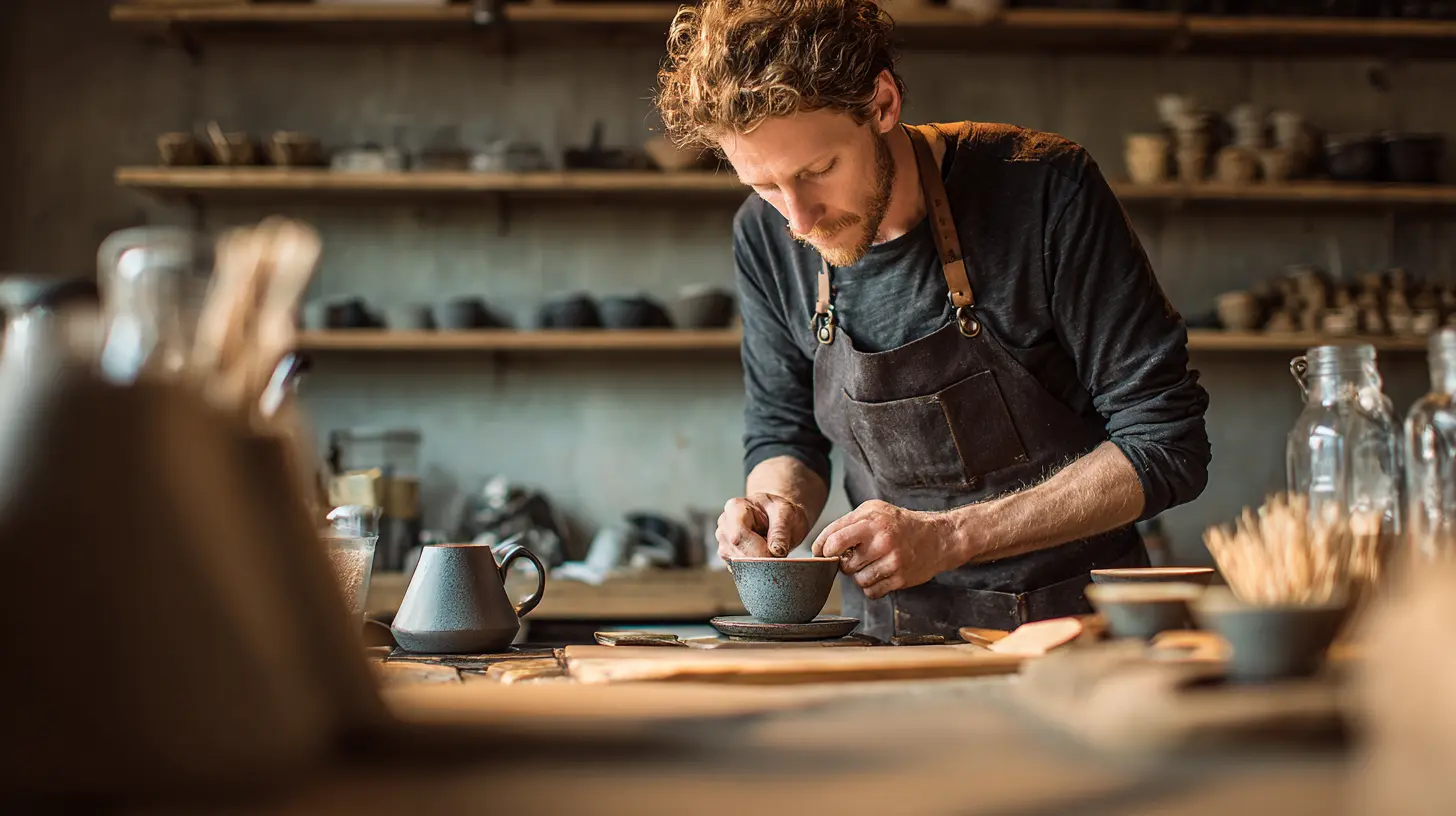
The barista weighs coffee beans to a tenth of a gram. Water temperature reads precisely 202 degrees Fahrenheit. The pour-over process takes four minutes, each phase timed meticulously. When she finally presents the cup, it's with the reverence a sommelier might show a rare vintage.
This is third wave coffee—where coffee isn't just caffeinated fuel but a craft beverage worthy of the same attention given to wine, chocolate, or fine dining.
"We're not selling caffeine," explains Emma Richardson, head barista at an acclaimed café. "We're selling an experience, a connection to origin, an appreciation for craftsmanship. Every cup represents decisions made by farmers, roasters, and baristas. We're the final link in a chain that stretches from Ethiopian hillsides to this counter."
Coffee's evolution happened in waves. The first wave, beginning in the 1960s, made coffee ubiquitous through instant coffee and vacuum-sealed cans. Coffee became accessible but largely undifferentiated—a commodity product valued for consistency and convenience.
The second wave, emerging in the 1990s, introduced espresso drinks and café culture. Starbucks epitomized this era, transforming coffee from kitchen staple to accessory. Quality improved, variety expanded, but coffee remained industrial-scale, prioritizing consistency over distinctive character.
The third wave, beginning in the early 2000s, treats coffee like wine—emphasizing origin, varietal, processing method, and brewing technique. Each element affects flavor, and connoisseurs learn to distinguish Ethiopian Yirgacheffe from Guatemalan Antigua as wine enthusiasts distinguish Burgundy from Bordeaux.
"It's about transparency and traceability," says coffee importer Michael Santos. "We're not buying anonymous beans from a warehouse. We're buying from specific farms, building relationships with producers, understanding how growing conditions and processing methods affect flavor."
Third wave coffee is obsessively technical. Water chemistry matters—mineral content affects extraction. Grind size must match brewing method. Water temperature, brew time, and coffee-to-water ratios are precisely controlled.
"People think we're being pretentious," Emma Richardson says, adjusting her grinder by microns. "But these variables genuinely impact flavor. A few degrees temperature difference, a slightly finer grind—these change what compounds extract from the bean and how the coffee tastes."
Specialized equipment has proliferated. Single-origin espresso machines maintain temperature stability within one degree. Grinders cost thousands of dollars, engineered for consistent particle size. Scales measure to hundredths of a gram.
Behind this equipment obsession lies chemistry. Coffee contains over a thousand compounds, including acids, sugars, oils, and aromatic molecules. Proper extraction balances these elements. Under-extraction produces sour, weak coffee. Over-extraction yields bitter, astringent flavors. The sweet spot—typically 18-22 percent extraction—requires precise control.
Third wave coffee emphasizes ethical sourcing. Instead of commodity markets where coffee trades anonymously, direct trade establishes relationships between roasters and farmers.
"Commodity coffee treats beans like corn or wheat—interchangeable products where price alone matters," explains Santos. "Direct trade recognizes that quality varies enormously and that farmers producing exceptional coffee deserve exceptional compensation."
This model benefits everyone. Farmers earn premium prices, often double or triple commodity rates. Roasters secure consistent supply of high-quality beans. Consumers get better coffee while supporting sustainable agriculture.
Critics note that direct trade can be marketing rhetoric without substance. But when implemented genuinely, it transforms coffee economics, enabling farmers to invest in quality improvement rather than racing to the bottom on price.
Third wave culture elevates baristas from service workers to skilled craftspeople. Training programs teach sensory analysis, brewing chemistry, and coffee history. Competitions showcase technical skills and creativity.
"The best baristas are like chefs," says competition judge Patricia Gomez. "They understand ingredients, technique, and presentation. They can taste subtle differences in beans, adjust brewing parameters for optimal extraction, and create memorable experiences for customers."
This professionalization has career implications. Baristas can build reputations, command higher wages, and pursue mastery in their craft rather than treating coffee work as temporary employment.
If baristas are the final artists, roasters are the composers, developing flavor profiles through carefully controlled heat application.
Roasting involves complex chemical reactions—Maillard browning, caramelization, pyrolysis—each contributing distinct flavors. Roasters adjust time, temperature, and airflow to emphasize acidity, sweetness, body, or aromatics.
"Every coffee has inherent characteristics from its origin," explains roaster David Chen. "My job is deciding what to emphasize. Do we highlight Ethiopian coffee's floral notes or develop its berry character? Do we roast Sumatran beans to emphasize earthiness or bring out chocolatey sweetness? These are creative decisions, not just technical processes."
The rise of sample roasters and sophisticated profiling software has made roasting more precise. Roasters can document and replicate profiles, share data with peers, and continuously refine their craft.
Third wave cafés often serve as hubs, prioritizing ambiance and social connection alongside coffee quality.
Design matters. Many feature minimalist aesthetics—natural light, simple furnishings, exposed materials. The environment encourages lingering, working, conversing. WiFi is deliberately absent in some locations, creating spaces for presence rather than distraction.
"We're competing with Starbucks on coffee quality, but we're offering something they can't—intimacy, authenticity, community," says café owner Lisa Park. "Regulars know each other. Baristas remember names and orders. People come not just for coffee but for human connection."
Can cafés sustain themselves selling $6 pour-overs? The economics are challenging but viable.
Premium pricing compensates for higher costs—better beans, skilled labor, expensive equipment. Lower volume per barista compared to high-speed operations means higher per-cup prices.
Some cafés augment coffee sales with food, retail beans, or wholesale roasting. Others keep operations lean, owner-operated with minimal staff.
"You won't get rich," admits Lisa Park. "But you can make a living doing work you believe in, serving a community that values what you do. For many of us, that's enough."
Third wave coffee faces criticism for elitism. High prices and insider knowledge can alienate casual consumers. The culture sometimes prizes obscurity over accessibility.
"We have to be careful not to become gatekeepers," Emma Richardson acknowledges. "Yes, we're passionate about quality and craft. But we can't be so precious that we make people feel inadequate for just wanting a good cup of coffee."
Some roasters and cafés deliberately emphasize accessibility, explaining without condescension, welcoming questions, and acknowledging that preferences vary legitimately. The goal is elevating coffee appreciation while remaining inclusive.
Climate change threatens coffee production. Rising temperatures push suitable growing regions to higher elevations. Increased rainfall variability stresses crops. Diseases and pests expand their ranges.
Third wave's direct trade relationships position it to address these challenges. Farmers receiving premium prices can invest in climate adaptation—shade trees, soil health, water management. Some roasters fund projects in origin communities.
"Specialty coffee can lead climate response," argues Santos. "We have relationships, resources, and market access that commodity coffee lacks. If we don't invest in sustainability, the coffee we love won't exist in 30 years."
Third wave principles have spread to home brewing. Enthusiasts invest in equipment, source specialty beans, and perfect technique in home kitchens.
Online communities share knowledge, troubleshoot problems, and celebrate successes. Equipment manufacturers serve this market with increasingly sophisticated home machines—espresso machines with PID temperature control, grinders with stepless adjustment, precision kettles for pour-over brewing.
"Home brewing lets me engage with coffee on my own terms," says enthusiast Marcus Johnson. "I can experiment, fail, learn, and eventually pull espresso shots or brew pour-overs that rival café quality. It's rewarding in ways that transcend just having good coffee."
Fourth wave coffee may already be emerging, characterized by scientific rigor, biotechnology, and sustainability focus. Precision fermentation, controlled atmospheres, and enzyme treatments create new flavor profiles. Some producers experiment with previously wild-growing varieties, expanding coffee's flavor potential.
Whatever comes next, third wave coffee's legacy seems secure: it transformed how we think about, value, and experience coffee. A morning ritual became an opportunity for connection, craftsmanship, and appreciation.
"Coffee doesn't have to be complicated," Emma Richardson says, handing over a perfectly executed pour-over. "But it can be. And when you pay attention—to flavor, to origin, to the people and processes behind each cup—coffee becomes something more than a beverage. It becomes a story worth savoring."
The customer inhales the aroma—notes of jasmine, bergamot, stone fruit. Tastes. Pauses. Smiles. The story has been told, and received, and appreciated. In that moment, the months of farming, the hours of processing, the careful roasting, and the meticulous brewing all converge into something approaching transcendent—a perfect cup of coffee, crafted with intention, savored with attention.